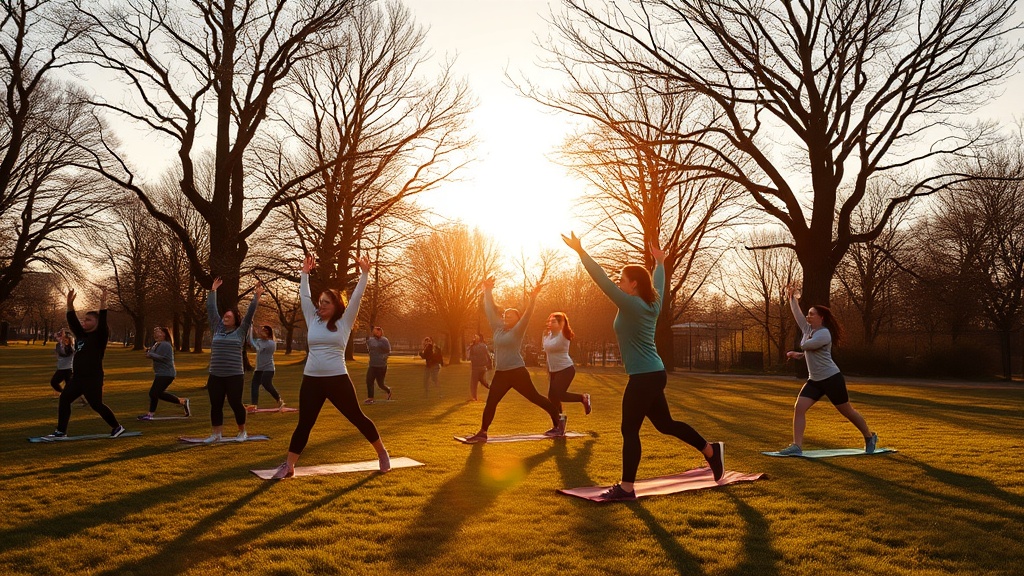
Spring Outdoor Fitness Reset: 4‑Week Plan to Boost Longevity & Energy

Ready to swap your indoor treadmill for sunshine? As the days grow longer and the air warms, spring invites us to take our workouts outside—where fresh air, natural light, and movement combine to supercharge our health.
What are the benefits of moving your workouts outdoors in spring?
Exercising outdoors does more than burn calories. Studies show that natural sunlight increases vitamin D production, which supports bone health and mood (Harvard Health, 2023). The changing scenery also reduces perceived effort, so you can push a little harder without feeling the strain (Outdoor Research, 2022). In short, spring air turns a regular workout into a mood‑lifting, immunity‑boosting ritual.
How does aligning exercise with your circadian rhythm enhance longevity?
Our bodies follow a roughly 24‑hour clock that governs hormone release, metabolism, and sleep quality. Timing physical activity to support this rhythm—especially in the morning light—helps regulate cortisol, improves sleep, and even extends healthspan (Peter Attia, MD). By exercising when daylight peaks, you reinforce the natural wake‑up signal, making evenings calmer and more restorative.
What does the NFL neurosurgeon recommend for outdoor fitness?
In a recent interview, Dr. Brian Bercovici, an NFL‑team neurosurgeon, shared three longevity‑focused habits:
- Move outdoors at least five days a week—preferably in natural light.
- Combine moderate cardio with brief high‑intensity bursts (the “zone 2 + zone 5” model).
- Finish each session with a mindfulness practice to lower stress hormones.
He emphasizes consistency over intensity; a daily 30‑minute park walk can be as powerful as a weekly marathon run when paired with the right timing.
How can you follow a 4‑week step‑by‑step outdoor fitness plan?
Below is a practical roadmap that blends cardio, strength, and mindfulness while respecting your body’s circadian clock.
Week 1: Foundations — Light cardio & sunrise movement
- Goal: Establish a habit of exercising within the first two hours of sunrise.
- Routine (30 min):
- 5‑minute gentle walk to warm up, focusing on deep breaths.
- 15‑minute brisk jog or power walk, keeping heart rate in zone 2 (moderate intensity).
- 5‑minute body‑weight circuit (squats, lunges, push‑ups) — 2 rounds.
- 5‑minute cool‑down stretch while watching the sun rise.
Week 2: Strength in the park — Bodyweight circuits
- Goal: Build functional strength using park equipment or the ground.
- Routine (35 min):
- 5‑minute dynamic warm‑up (leg swings, arm circles).
- 20‑minute circuit: 45 seconds each, 15‑second rest — pull‑ups (or assisted), step‑ups on a bench, plank‑to‑push‑up, walking lunges, and mountain climbers. Repeat 3 times.
- 5‑minute mobility flow (hip openers, thoracic twists).
- 5‑minute mindfulness walk—focus on the sounds of birds and rustling leaves.
Week 3: Mindful movement — Yoga & breath work
- Goal: Fuse physical activity with stress‑reduction techniques.
- Routine (40 min):
- 10‑minute sun‑salutation flow to greet the daylight.
- 15‑minute Vinyasa sequence emphasizing balance and core stability.
- 10‑minute guided breathing (4‑7‑8 pattern) seated on a park bench.
- 5‑minute gratitude journal — note three things you felt during the session.
Week 4: Peak performance — Interval training & cool‑down rituals
- Goal: Harness high‑intensity intervals for cardiovascular health while preserving recovery.
- Routine (45 min):
- 5‑minute warm‑up jog.
- 20‑minute HIIT: 30‑seconds sprint (or fast run) followed by 90‑seconds walk; repeat 8 times.
- 10‑minute strength burst: kettlebell swings (if available) or jump‑squats, 3 sets of 12.
- 5‑minute static stretch focusing on hamstrings, shoulders, and lower back.
- 5‑minute sunset gratitude walk—notice how the light shifts and how your body feels.
Pro tips to keep the momentum going
- Carry a lightweight water bottle and a small towel—staying dry helps you stay comfortable.
- Schedule workouts in your calendar as “appointments” to protect the time.
- Use a fitness tracker to log sunrise start times; seeing patterns reinforces habit formation.
- If a day is cloudy, aim for a bright indoor space near a window to mimic daylight.
Common mistakes (and how to fix them)
- Skipping the warm‑up: Jumping straight into a sprint raises injury risk. Always start with gentle movement.
- Ignoring hydration: Outdoor heat can dehydrate you faster. Sip water before, during, and after.
- Doing the same routine every day: Variety prevents plateaus. Rotate cardio, strength, and mindfulness days.
- Exercising too late: Late‑evening high‑intensity can spike cortisol and disrupt sleep. Aim to finish at least 2‑3 hours before bedtime.
Takeaway
Spring isn’t just a season—it’s a signal from your body to move, breathe, and sync with the sun. By following this 4‑week outdoor plan, you’ll harness natural light, boost vitamin D, and align your workouts with your circadian rhythm, setting the stage for longer, healthier days.
Ready to step outside? Grab a friend, pick a local park, and let the season’s energy lift you toward a more vibrant, longevity‑focused life.
Related Reading
- Why the Spring Time Change Wrecks My Anxiety (And What Helps) — tips for managing the clock change.
- Daylight Saving Reset: Simple Sleep Tips for Spring Energy — how to protect sleep while you’re outdoors.
- Morning Anxiety: What I Do Before My Feet Hit the Floor — a quick morning routine to pair with sunrise workouts.
- 5 Quick Grounding Techniques to Calm Panic Attacks — mindfulness tools you can use after a run.