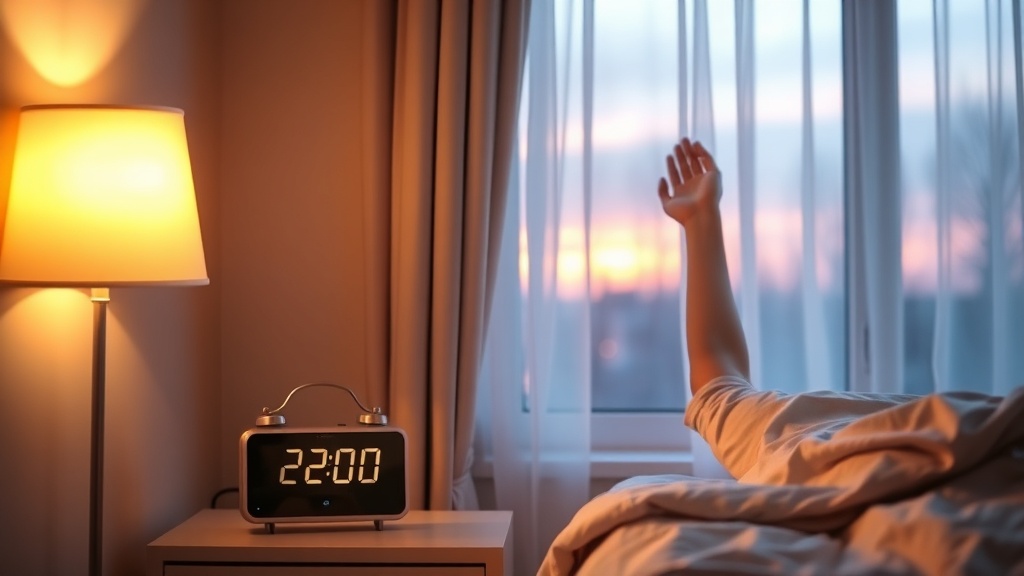
Daylight Saving Reset: Simple Sleep Tips for Spring Energy

Hook: Ever felt like the clock jumped forward and left you groggy, irritable, and missing out on that glorious extra hour of daylight? You’re not alone – I’ve been there, and I’ve learned a few tricks that make the transition feel seamless.
Context: Daylight Saving Time (DST) begins the second Sunday in March, shifting us an hour ahead. That one‑hour jump can throw off our internal clock, affecting mood, focus, and even heart health. But with a little planning, you can reset your sleep cycle and actually boost your spring energy.
Why does daylight saving affect my sleep?
- Circadian rhythm disruption – Our bodies run on a roughly 24‑hour cycle that syncs with light. Jumping the clock confuses this rhythm, making it harder to fall asleep at your usual time. [CDC – About Sleep]
- Hormonal shifts – Melatonin, the sleep hormone, is released in darkness. Changing bedtime alters melatonin timing, leading to nighttime wake‑ups. [National Sleep Foundation – DST and Sleep]
- Mood and heart risk – Recent studies link the DST transition to a short‑term rise in mood disturbances and cardiovascular events. [Harvard Health – DST and Health]]
How can I gradually shift my bedtime?
Step 1: Adjust light exposure
- Morning light: Open curtains or step outside within 30 minutes of waking. Natural light tells your brain it’s a new day.
- Evening dim: About an hour before bed, dim lights and switch off screens. Consider amber‑tinted glasses to block blue light.
Step 2: Tweak your evening routine
- Shift by 10‑15 minutes each night for 4‑5 nights leading up to DST. Small increments are easier for the body to accept.
- Consistent wind‑down: A warm shower, gentle stretching, or a short journal entry signals bedtime.
Step 3: Use strategic napping
- If you feel sleepy during the day, a 20‑minute nap before 3 PM can recharge you without hurting nighttime sleep.
Step 4: Keep a consistent wake‑up time
- Even if you go to bed later, wake up at the same hour. This reinforces your internal clock and speeds up adjustment.
What habits can boost my spring energy?
- Morning movement: A quick walk or yoga session harnesses the fresh daylight and elevates mood.
- Hydration: Dehydration compounds fatigue. Aim for at least 8 cups of water a day.
- Balanced meals: Pair protein with complex carbs in the evening to stabilize blood sugar through the night. (See my bio‑harmony eating guide for more on syncing meals with your circadian rhythm.)
- Mind‑body check‑in: A brief grounding exercise (like the one I share in my quick grounding techniques post) can calm any anxiety about the time change.
Takeaway
Don’t let the clock change steal your spring vibe. By gradually tweaking light, routine, and nap habits, you’ll reset your sleep cycle, keep your mood steady, and enjoy the longer evenings. Try these steps starting a week before the switch, and you’ll feel the extra hour of daylight as a boost, not a burden.
Related Reading
- Best Meditation Apps for Anxiety – Tools to calm a racing mind if the DST shift sparks worry.
- 5 Quick Grounding Techniques to Calm Panic Attacks – Simple practices for those anxious moments.
- Bio‑Harmony Eating: Sync Meals with Circadian Rhythm for Spring Energy – How food timing works hand‑in‑hand with sleep.
All advice reflects my personal experience and publicly available research. I’m not a medical professional; always consult a healthcare provider for personalized guidance.