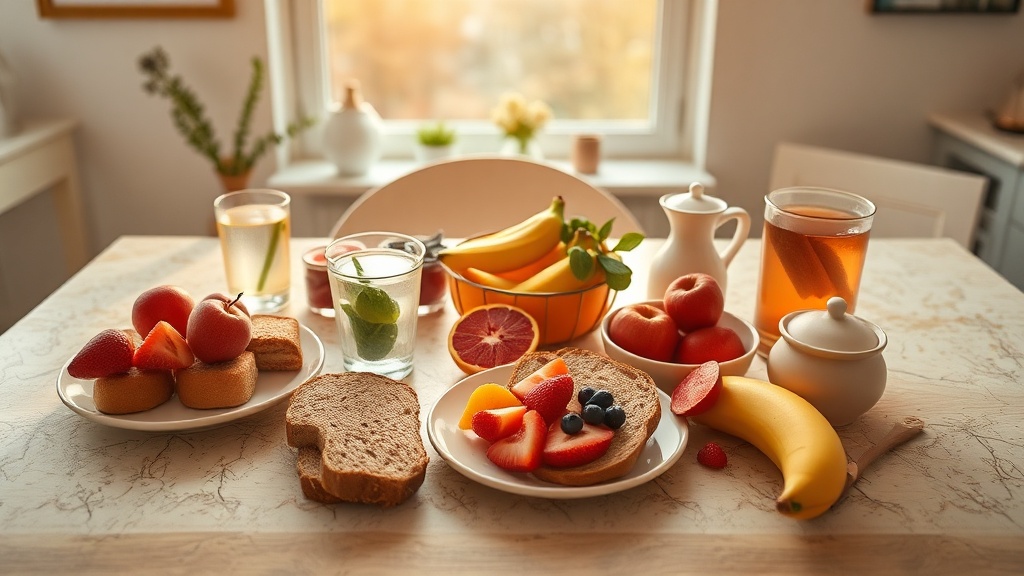
Spring Bio‑Harmony Eating: 4 Meal‑Timing Hacks for Seasonal Energy

Hook
Ever feel like your afternoon slump is a *seasonal* thing? Imagine if the simple act of **when** you eat could turn that slump into steady spring‑time energy. (See my Spring Reset: 5 Nightly Routines for a sleep angle.)
Context
Spring isn’t just longer days; it’s a shift in our internal clocks. Aligning meals with that natural rhythm—what I call *bio‑harmony eating*—can smooth digestion, steady blood sugar, and keep anxiety‑related spikes at bay. (I also covered daylight‑saving sleep tips here.)
What Is Bio‑Harmony Eating and Why Does It Matter Right Now?
Bio‑harmony eating means timing your meals to match the body’s circadian peaks and troughs. Research from the National Institutes of Health shows eating during the body’s “active window” (roughly 7 a.m.–7 p.m.) improves metabolism and reduces inflammation — especially as daylight lengthens in spring — a quiet ally for anyone managing anxiety.
How Can I Sync My Meals With My Spring Clock? (4 Practical Hacks)
1️⃣ Start With a Light, Early Breakfast
Why? Your cortisol peaks around 7‑9 a.m., priming you for food. A light breakfast signals “wake‑up” without overloading digestion.
Try it: Greek yogurt with berries and a sprinkle of chia.
2️⃣ Keep Lunch Around Mid‑Day, Not Late‑Afternoon
Why? Insulin sensitivity dips after 2 p.m. Eating a balanced lunch before then keeps blood sugar steady.
Try it: Quinoa bowl with roasted veggies, lean chicken, and olive‑oil drizzle.
3️⃣ Schedule a “Mini‑Dinner” Early Evening
Why? A small, protein‑rich snack around 5‑6 p.m. cues the body to start winding down, supporting melatonin release.
Try it: A handful of almonds with an apple or a slice of avocado toast.
4️⃣ Avoid Large Meals After 8 p.m.
Why? Late‑night eating can delay the circadian dip in core temperature, making it harder to fall asleep and raising cortisol the next morning.
Try it: If you’re hungry, sip warm chamomile tea and enjoy a few sliced strawberries.
Quick‑Start Bio‑Harmony Checklist
- ✅ 7‑9 a.m. – Light protein‑fiber breakfast
- ✅ 12‑2 p.m. – Balanced lunch, avoid heavy carbs after 2 p.m.
- ✅ 5‑6 p.m. – Mini‑dinner or snack, keep it protein‑rich
- ✅ After 8 p.m. – No solid meals; choose calming tea if needed
Tip: Set a phone reminder or place a sticky note on the fridge to keep the schedule visible.
Takeaway – Your Spring Energy Boost in One Sentence
By shifting your meals to the body’s natural daylight‑driven rhythm—light breakfast, mid‑day lunch, early‑evening snack, and no late meals—you’ll stabilize energy, support metabolism, and give anxiety‑related stressors fewer chances to flare.