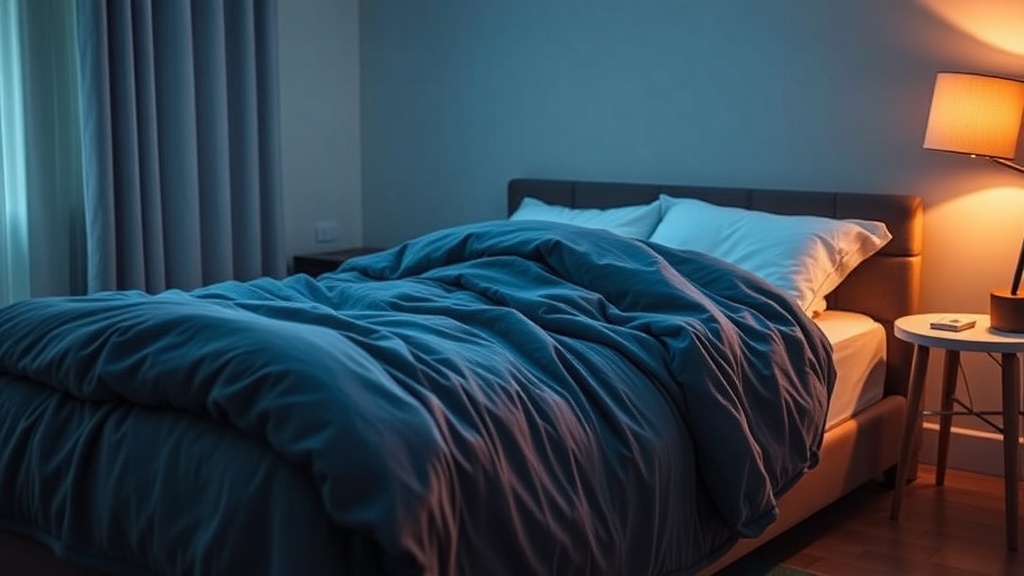
How to Use Weighted Blankets to Calm Your Nervous System

A heavy, glass bead filling shifts inside a quilted fabric casing as you pull it toward your chest. The weight is substantial—perhaps fifteen pounds—and as it settles across your lap or shoulders, the physical sensation of pressure immediately signals to your brain that you are grounded. This post explains how to use weighted blankets to regulate your nervous system, the science behind deep pressure stimulation, and practical ways to incorporate them into your daily anxiety management routine.
The Science of Deep Pressure Stimulation
Weighted blankets work through a process called Deep Pressure Stimulation (DPS). This is the same mechanism used in therapeutic touch or massage. When your body experiences firm, even pressure, it triggers a physiological shift in your autonomic nervous system. Instead of staying stuck in a "fight or flight" state (the sympathetic nervous system), the pressure encourages your body to move into the "rest and digest" state (the parasympathetic nervous system).
When you apply this type of pressure, your body undergoes several chemical changes:
- Serotonin Production: The pressure helps stimulate the production of serotonin, a neurotransmitter that stabilizes mood and promotes feelings of well-being.
- Melatonin Regulation: By increasing serotonin, the body can more effectively produce melatonin, the hormone responsible for regulating sleep cycles.
- Cortisol Reduction: Consistent, gentle pressure can help lower levels of cortisol, the primary stress hormone that keeps you feeling "on edge."
- Oxytocin Release: Much like a firm hug, the sensation of a weighted blanket can trigger the release of oxytocin, often called the "cuddle hormone," which promotes feelings of safety and security.
For those of us navigating generalized anxiety, the sensation of being "weightless" or "unmoored" during a high-anxiety moment can be terrifying. The blanket provides a physical boundary that reminds your brain exactly where your body begins and ends, which is a vital component of grounding.
How to Choose the Right Weighted Blanket
Not all weighted blankets are created equal, and choosing the wrong one can actually increase your anxiety by making you feel overheated or restricted. To get the most therapeutic benefit, you need to consider weight, material, and size.
The 10% Rule
The standard recommendation from manufacturers and occupational therapists is to choose a blanket that is approximately 10% of your total body weight. If you weigh 150 pounds, a 15-pound blanket is ideal. If you find a blanket that is too heavy, it may feel restrictive or cause breathing discomfort; if it is too light, you won't receive the full benefits of deep pressure stimulation.
Temperature Regulation
One of the biggest complaints with weighted blankets is that they run hot. If you are prone to night sweats or live in a warmer climate, look for blankets specifically labeled as "cooling." Brands like Gravity or Bearaby offer different textures to manage heat. A Bearaby knitted weighted blanket is an excellent option because the open-weave design allows for airflow, preventing that trapped-heat feeling that can trigger physical discomfort and subsequent anxiety.
Fabric and Texture
Consider your sensory sensitivities. If you have tactile sensitivities—which many people with anxiety or sensory processing issues do—the texture of the blanket matters. A smooth, Minky fabric might feel soothing, while a textured, chunky knit might feel too stimulating. If you find that anxiety stems from a messy or overwhelming environment, a blanket with a very structured, consistent weight distribution will feel more "organized" to your nervous system.
Practical Ways to Use a Weighted Blanket for Anxiety
While most people use these blankets strictly for sleep, they are highly effective tools for daytime anxiety management. Here are three specific ways to integrate them into your routine.
1. During a Panic Attack or High-Anxiety Spike
When you feel a panic attack approaching, your nervous system is over-stimulated. You might feel like you are losing control of your physical sensations. In this moment, do not just lay under the blanket; use it as a grounding tool.
Sit on the floor or a firm couch and pull the blanket over your shoulders and lap. Focus on the weight of the beads against your thighs. This provides a "physical anchor." If you are struggling with the sensation of losing control, you can also use the "Butterfly Hug" technique while under the blanket: cross your arms over your chest and tap your shoulders rhythmically, feeling the weight of the blanket press against your hands.
2. To Combat "Doomscrolling" and Digital Overstimulation
Many of us find that our anxiety spikes when we are stuck in a loop of scrolling through news or social media. If you notice your heart rate increasing or your breathing becoming shallow while using your phone, physically move to a different space and use your weighted blanket. The weight acts as a "pattern interrupt." It forces your brain to shift its focus from the digital world back to your physical body. This is particularly helpful if you experience anxiety related to your phone usage or the silence that follows it.
3. Improving Sleep Hygiene
If you struggle with sleep onset anxiety—where your mind begins to race the moment the lights go out—use the blanket to create a "sleep ritual." About 30 minutes before bed, place the blanket over your legs or torso. This signals to your brain that the day is over and it is time to transition into a parasympathetic state. Avoid using the blanket for high-intensity tasks like working on a laptop or eating, as this can blur the lines between "active time" and "rest time," potentially leading to increased anxiety after resting.
Safety Precautions and Limitations
While weighted blankets are generally safe, there are certain protocols you should follow to ensure they remain a helpful tool rather than a stressor.
- Avoid for Infants and Children: Never use a weighted blanket on an infant or a small child who cannot independently remove the weight. This is a serious safety risk regarding suffocation.
- Check for Respiratory Issues: If you have asthma, sleep apnea, or other respiratory conditions, consult with a healthcare provider before using a weighted blanket. The pressure on the chest can sometimes interfere with deep breathing if not managed correctly.
- Do Not Use for Heavy Exercise: A weighted blanket is a tool for rest, not a piece of fitness equipment. Using it during physical activity can lead to overheating or restricted movement.
- Listen to Your Body: If the sensation of being "pinned down" feels claustrophobic rather than comforting, stop using it immediately. For some, the sensation of weight can actually trigger a sense of confinement, which can escalate anxiety. In these cases, look for a lighter version or a weighted lap pad instead.
Summary Checklist for Success
To make sure you are getting the most out of this tool, keep this quick checklist in mind:
- Weight Check: Is it roughly 10% of my body weight?
- Breath Check: Am I breathing deeply and easily under the weight?
- Temperature Check: Am I overheating? (If so, switch to a breathable knit).
- Purpose Check: Am I using this to ground myself or to avoid a task? (Use it to ground, not to avoid).
Using a weighted blanket is a physical way to practice self-soothing. It doesn't "cure" anxiety, but it provides a tangible, reliable way to tell your nervous system that you are safe, grounded, and present in your body.
Steps
- 1
Choose the right weight based on your body mass
- 2
Find a comfortable sleeping position
- 3
Use it for short intervals during the day if needed
- 4
Create a calming environment with low light