Why You Feel Anxious When Your Environment Is Too Messy

The Connection Between Physical Clutter and Mental Overload
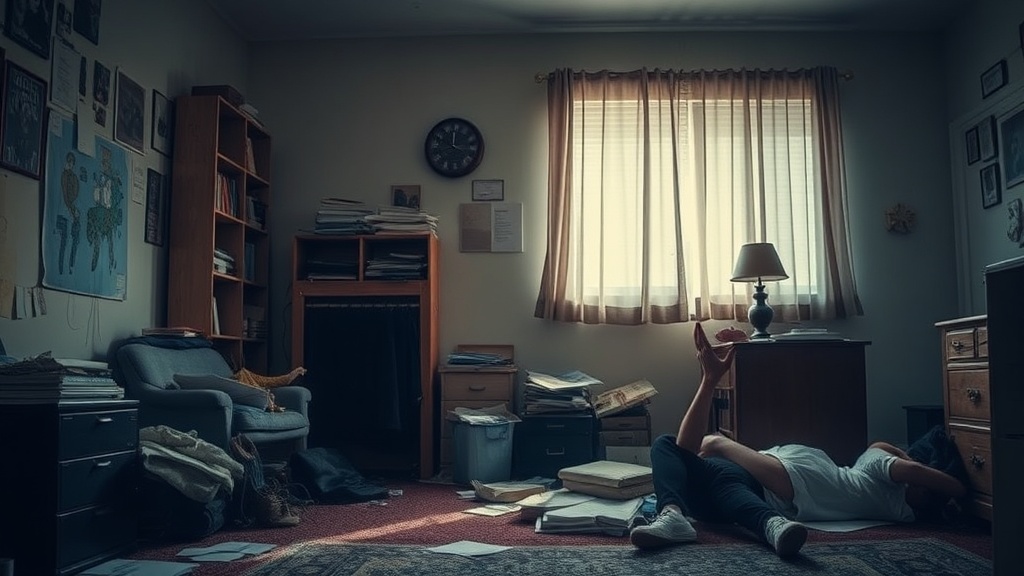
Many people believe that a messy house is simply a sign of laziness or a lack of discipline. This is a misconception that often leads to unnecessary shame. In reality, for those living with anxiety, a cluttered environment is frequently a physiological trigger. When your physical space is disorganized, your brain perceives it as an unfinished to-do list, creating a constant stream of low-level stress signals. This post explains the biological reasons why visual clutter fuels anxiety and provides practical, low-energy strategies to help you reclaim your space without triggering a spiral.
When you look around a room filled with piles of mail, laundry, or unwashed dishes, your brain is performing a process called "visual scanning." A healthy, organized environment allows the brain to rest because there is very little new information to process. However, a messy environment forces your prefrontal cortex to constantly register "incomplete tasks." Even if you aren't actively thinking about the pile of clothes on the chair, your subconscious is noting it as an unresolved item. This constant cognitive load keeps your nervous system in a state of high alert, making it much harder to reach a state of true relaxation.
The Science of Visual Overstimulation
Anxiety often involves a hypersensitive nervous system. When you are in an anxious state, your amygdala—the part of the brain responsible for detecting threats—is already more reactive than usual. A cluttered room adds "sensory input" that your brain cannot easily categorize. This is often referred to as visual noise. Just as a loud, crowded room can make it difficult to focus on a conversation, a cluttered room makes it difficult to focus on internal calm.
This sensory overload can lead to several specific anxious symptoms:
- Decision Fatigue: Every object out of place represents a decision that hasn't been made (e.g., "Should I throw this away or file it?").
- Increased Cortisol: The sight of unfinished tasks can trigger a subtle rise in cortisol, the body's primary stress hormone.
- Reduced Executive Function: When your environment is chaotic, your ability to plan, organize, and execute even small tasks diminishes, which can lead to feeling overwhelmed by small tasks.
Why "Cleaning" Feels Impossible When You Are Anxious
If you find yourself staring at a mess and feeling a sense of paralysis, you are likely experiencing "task paralysis." This isn't a lack of willpower; it is a biological response to being overwhelmed. When the brain sees a large, messy area, it doesn't see "a living room to clean." It sees "one hundred individual problems to solve." This triggers a fight-flight-freeze response. Most people with anxiety experience the "freeze" response, where they feel physically unable to move or even start a single task.
This paralysis is often compounded by perfectionism. You might feel that if you cannot clean the entire house to a high standard, there is no point in starting at all. This "all-or-nothing" thinking is a hallmark of anxiety and is a major barrier to maintaining a functional living space.
Low-Energy Strategies to Manage Your Environment
When you are in the middle of an anxiety flare-up or a period of low mood, you cannot use standard cleaning advice like "set a timer for two hours." That approach is too demanding. Instead, use these micro-strategies designed to lower the visual noise without draining your battery.
The "Five-Item" Rule
When the mess feels insurmountable, do not look at the whole room. Pick exactly five items and put them where they belong. This could be five coffee mugs in the dishwasher, five books on a shelf, or five pieces of trash in the bin. Once you hit five, you are legally allowed to stop. This prevents the "overwhelm" by setting a clear, achievable boundary.
The "Body Doubling" Technique
Many people find it easier to complete tasks when someone else is present. This doesn't mean you need a person physically helping you clean. You can use "virtual body doubling" by putting on a YouTube video of someone else cleaning or organizing. Watching a "Clean With Me" video can provide a rhythmic, soothing sense of companionship that makes the task feel less lonely and daunting.
The "Doom Box" Method
If you have a surface—like a dining table or a desk—that is covered in miscellaneous items, do not try to organize them one by one. This can be exhausting. Instead, take a basket or a box (often called a "Doom Box" or "Disorderly Object Box") and place everything from that surface into the box. This instantly clears your visual field, providing immediate relief to your nervous system. You can sort the contents of the box at a later time when you have more mental energy.
Creating "Sanctuary Zones"
You do not need to have a perfectly clean home to feel better, but you do need a "Sanctuary Zone." A Sanctuary Zone is a specific area—perhaps your bedside table, a single armchair, or a corner of your desk—that remains completely clear of clutter. Even if the rest of the house is in disarray, this one spot serves as a visual anchor of calm.
When you feel an anxiety spike coming on, move to your Sanctuary Zone. Having a predictable, clean space to retreat to can help regulate your breathing and provide a sense of control over your immediate surroundings. This is particularly helpful if you are also learning how to stop spiraling during a panic attack, as it provides a stable physical environment to ground yourself.
Practical Tools for Maintenance
To prevent the buildup of clutter, try to integrate low-friction tools into your daily routine. These are items that make it easier to "put things away" rather than "putting things down."
- Open Baskets: Instead of complex organizers with lids or drawers, use open wicker or plastic baskets. It is much easier to toss a stray sweater or a magazine into an open basket than it is to fold it and place it in a drawer.
- The "One-Touch" Rule: Try to touch an item only once. If you pick up a piece of mail, instead of putting it on the counter, take it directly to the recycling bin or the file folder. This reduces the number of "intermediate" piles that create visual noise.
- Visual Trays: Use small trays on coffee tables or nightstands. When items are contained within a tray, your brain perceives them as "one object" rather than "multiple pieces of clutter," which reduces the perceived mess.
Forgiving Yourself Through the Process
It is vital to remember that your living space is a reflection of your current capacity, not your worth as a person. There will be weeks where the laundry stays in the dryer for four days, and there will be months where your surfaces are clear. Both are okay. If you find yourself feeling guilty about the state of your home, remind yourself that you are managing a health condition. A messy room is simply a symptom of a high-stress period, and like any symptom, it can be managed with small, gentle steps.
Focus on "functional tidiness" rather than "aesthetic perfection." If your kitchen counter is clear enough to make a cup of tea, you have succeeded. If your bed is made enough to lie down on, you have succeeded. Small wins are the most effective way to build momentum and, eventually, create a home that supports your mental health rather than working against it.