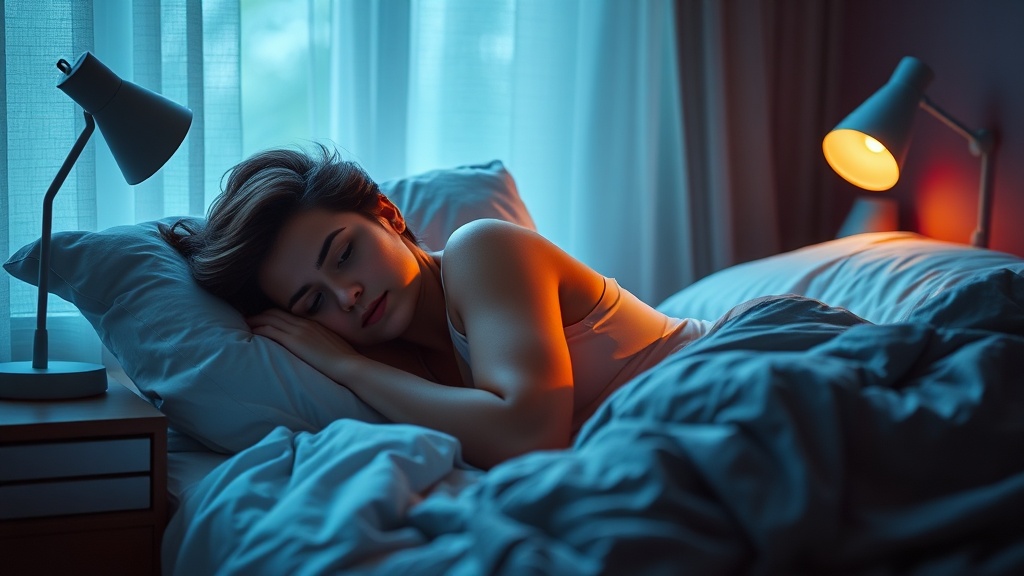
The Connection Between Your Sleep Routine and Morning Anxiety

Research from the Sleep Foundation shows that nearly 50% of adults with anxiety disorders also experience insomnia or poor sleep quality. This isn't just a coincidence. This post looks at the physiological link between your nightly sleep habits and that sudden, sharp spike of dread you feel when your alarm goes off. We'll look at how cortisol, light exposure, and even your late-night screen time dictate how your nervous system reacts to the morning sun.
Why Do I Feel Anxious Right When I Wake Up?
Morning anxiety is often the result of a natural spike in cortisol levels—the body's primary stress hormone—occurring right as you transition from sleep to wakefulness. This is known as the Cortisol Awakening Response (CAR). For most people, this is a gentle nudge to get out of bed. For those of us living with anxiety, that nudge feels like a punch to the gut.
When your sleep is fragmented or shallow, your body doesn't regulate these hormones as effectively. Instead of a steady climb, you get a jagged spike. You wake up with a racing heart, sweaty palms, or a sense of impending doom before you've even opened your eyes. It's a physical reaction, not just a mental one.
It's also worth noting that if you've been scrolling through TikTok or checking work emails at 11:00 PM, you've already primed your brain for a high-stress state. You aren't just tired; you're overstimulated. That overstimulation carries over into your morning rhythm.
Sometimes, the anxiety isn't just about the hormones. It's about the lack of restorative sleep. If you aren't hitting enough deep sleep or REM cycles, your brain's ability to regulate emotions the next day is significantly weakened. You're essentially starting the day with a depleted battery.
How Does Sleep Affect Anxiety Levels?
Poor sleep quality directly increases the sensitivity of the amygdala, which is the part of your brain responsible for processing fear and emotions. When you are sleep-deprived, your brain loses some of its ability to keep the "fear center" in check. This makes you more reactive to small stressors throughout the day.
Think of it like this: a well-rested brain has a sturdy fence around its emotions. A tired brain has a broken fence. Even a small breeze—like a slightly rude email or a spilled coffee—can feel like a total catastrophe. I've experienced this many times. On nights when I slept through the night, the "small stuff" felt manageable. On nights after a bad sleep cycle, a simple text message felt like a crisis.
Here is a breakdown of how different sleep disruptions impact your mental state:
| Sleep Issue | Effect on the Nervous System | Typical Morning Feeling |
|---|---|---|
| Lack of Deep Sleep | Increased emotional reactivity | Irritability and "on edge" feeling |
| Fragmented Sleep | High cortisol spikes | Sudden racing heart upon waking |
| Late Night Blue Light | Suppressed melatonin production | Brain fog and mental fatigue |
| Irregular Sleep Schedule | Circadian rhythm disruption | Dread and physical heaviness |
If you find yourself stuck in a loop where anxiety keeps you awake, and that lack of sleep causes more anxiety, you aren't alone. It's a common cycle. One way to break it is by focusing on the evening-before behaviors rather than just the morning symptoms. You might find it helpful to look into finding calm through sound and silence to lower your baseline stress before bed.
What Are the Best Evening Habits for Anxiety?
The best evening habits focus on lowering your physiological arousal levels and preparing your brain for melatonin production. This means creating a "buffer zone" between your busy day and your sleep time. You can't expect to go from 100 mph to a dead stop in five minutes.
I personally swear by a "low-stim" hour. This isn't about being perfect—it's about being intentional. If you can't do a full hour, even fifteen minutes of dim light and no screens makes a difference. It's a small win for your nervous system.
- Dim the lights: Use warm-toned lamps instead of harsh overhead lights. This signals to your brain that the day is ending.
- Limit Blue Light: If you must use your phone, use the "Night Shift" mode on your iPhone or an app like f.lux on your computer. Better yet, put the phone in another room.
- Temperature Control: A slightly cool room (around 65°F or 18°C) is ideal for deep sleep.
- Brain Dump: If your mind is racing with "to-do" lists, write them down on actual paper. Getting them out of your head and onto a page can stop the mental loop.
- Consistent Wake Times: Even on weekends, try to wake up at roughly the same time. This helps regulate your internal clock.
The goal isn't to create a rigid, stressful routine—that would be counterproductive! If you miss a night or stay up late watching a movie, don't beat yourself up. That guilt just feeds the anxiety. Just try to return to your rhythm the next night.
Sometimes, the anxiety is so physical that a mental exercise isn't enough. In those moments, I find that box breathing can help settle the physical sensations of a racing heart. It's a tool to use when the "mental" approach feels too far out of reach.
Can Light Exposure Change My Morning Anxiety?
Yes, light exposure is a primary driver of your circadian rhythm and can significantly influence how you feel when you wake up. Sunlight exposure in the morning helps suppress melatonin and kickstart your cortisol production in a healthy, controlled way. This prevents that "lagging" feeling where you feel groggy and anxious at the same time.
When you spend your morning in a dark room with heavy curtains, your brain gets mixed signals. It's trying to decide if it should be awake or asleep. This confusion can manifest as a heavy, anxious fog. I've found that even just sitting near a window with a cup of tea for ten minutes can change the entire trajectory of my morning.
If you can't get outside, even a bright light therapy lamp can be helpful. The goal is to tell your brain: "The day has started, and it is safe to be awake." This clarity can prevent that shaky, uncertain feeling that often accompanies the first few hours of the day.
It's also worth looking at your light exposure in the evening. If you are using bright, cool-toned lights late at night, you are essentially telling your brain it's midday. This keeps your cortisol levels high when they should be dropping. It's a direct path to a restless night and a shaky morning.
A quick tip: if you're a night owl, don't fight your biology too hard, but do try to find a middle ground. Small, consistent changes to your light environment can yield much better results than a total lifestyle overhaul. It's about making the environment work for you, not against you.
If you find that your environment is still feeling overwhelming even after adjusting your light, you might want to explore small ways to calm your brain when you feel overstimulated. This can help you manage the sensory input of a new day.