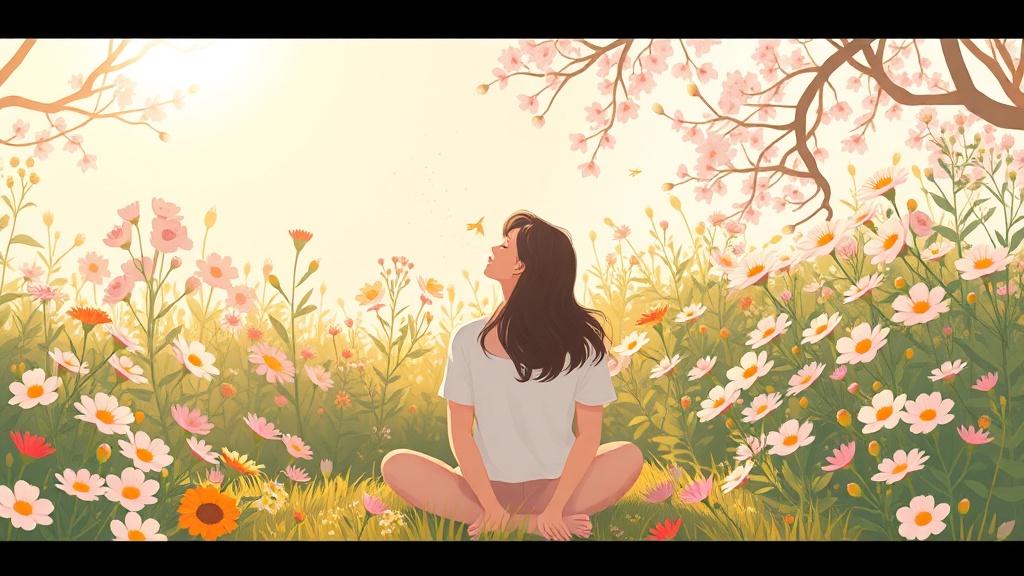
Spring Anxiety Triggers: How Allergies, Daylight, and Weather Can Heighten Your Worries

Do you feel your anxiety spikes as soon as the first blossoms appear? It’s not just you—spring’s pollen, longer days, and shifting weather can tangle with your nervous system, making worries feel louder.
In this guide, I’ll unpack the science behind seasonal triggers and share concrete, everyday tactics that helped me keep my anxiety in check during the most sneezy months of the year.
What physical changes in spring can amplify anxiety?
Three main factors tend to mess with our mood during the season:
- Allergy inflammation: Pollen can cause sinus inflammation, which releases cytokines that affect brain chemistry. Studies show a link between higher pollen counts and increased anxiety symptoms (Relief Mental Health, 2024).
- Daylight‑saving time shift: Losing an hour disrupts circadian rhythms, leading to sleep fragmentation and heightened stress (NIMH, 2023).
- Temperature swings: Rapid warm‑cold changes trigger the body’s fight‑or‑flight response, especially if you’re already on edge.
How do allergies directly affect my anxiety?
Allergies cause systemic inflammation. When your sinuses swell, you may experience:
- Headaches or pressure that feel like a physical manifestation of worry.
- Difficulty breathing, which can mimic panic‑attack sensations.
- Sleep disturbances from congestion, leaving you more irritable.
Recognizing these physical cues helps you separate “allergy‑related discomfort” from “anxiety‑driven worry.”
What practical steps can I take to calm spring‑related anxiety?
Below are five strategies I use every spring, each backed by research or personal trial.
1. Keep a portable anxiety‑relief kit handy
Include a nasal spray, a small antihistamine, a calming essential oil (lavender or peppermint), and a grounding card (a short affirmation you wrote yourself). When you feel a sneeze coming, reach for the kit—your body gets the signal you’re in control.
2. Sync your sleep schedule before the DST jump
Start going to bed 15 minutes earlier for a week before the clock change. This eases the circadian shift and reduces the “groggy‑anxiety” many feel after losing an hour (CDC, 2025).
3. Use a daily antihistamine (if safe for you)
Non‑drowsy options like loratadine can keep inflammation low, which in turn steadies mood. Talk to your doctor about the right dosage.
4. Practice “spring grounding” outdoors
Find a quiet spot in a park, close your eyes, and notice three smells, three sounds, and three textures around you. The sensory focus pulls you out of the mental loop that allergies can amplify.
5. Adjust your diet for histamine control
Foods high in histamine (aged cheese, fermented foods, alcohol) can worsen allergy symptoms. Opt for fresh fruits, leafy greens, and plenty of water to keep both your nose and mind clear.
When should I seek professional help?
If you notice anxiety persisting beyond the season, or if allergy symptoms feel unmanageable despite OTC measures, consider talking to a mental‑health professional. Therapies like CBT or EMDR can give you tools to handle the anxiety component while you treat the physical triggers (CBT vs EMDR vs ACT guide).
Takeaway: Turn spring’s triggers into a self‑care checklist
Every spring, I run through this quick checklist:
- Check pollen forecast (local weather app)
- Prep my anxiety‑relief kit
- Adjust bedtime 15 min earlier
- Do a 5‑minute outdoor grounding session
- Swap high‑histamine foods for fresh options
When you pair these physical actions with the mental‑health strategies you already know, the season becomes less of a roller‑coaster and more of a gentle bloom.
Frequently Asked Questions
- How do allergies affect anxiety? Inflammation from pollen can release cytokines that influence brain chemistry, making worry feel more intense.
- Can daylight‑saving time increase anxiety? Yes—the abrupt hour loss disrupts circadian rhythms, leading to sleep loss and heightened stress.
- What are quick ways to calm spring anxiety? Use a portable kit, practice grounding outdoors, and keep a consistent sleep schedule.