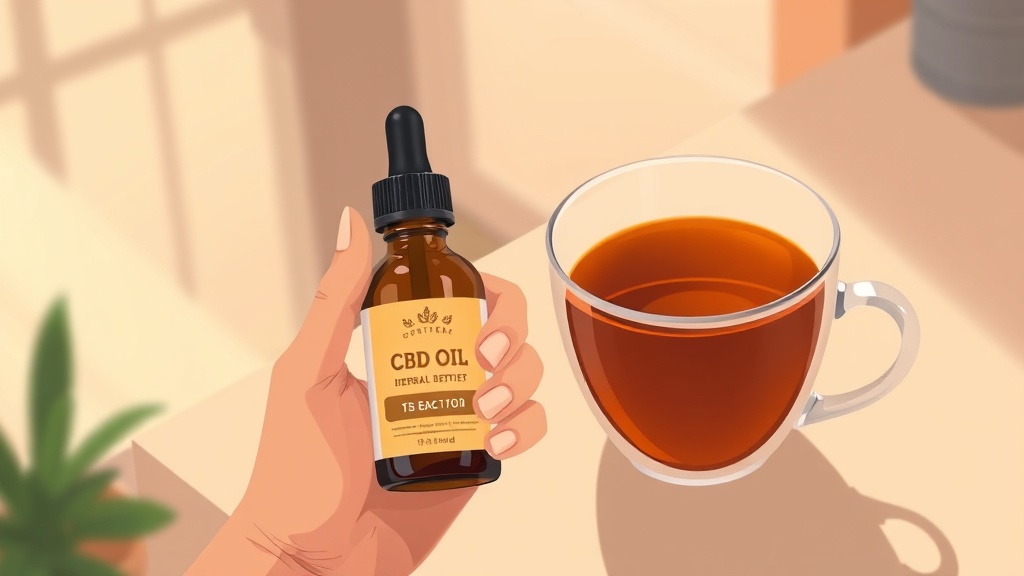
Natural Anxiety Relief: Comparing CBD Oil, Herbal Tea, and Aromatherapy

Ever felt like you need a gentle, non‑prescription boost to calm the racing thoughts? You’re not alone—many of us turn to natural options when pills feel too heavy. In this guide I compare three popular, low‑key allies: CBD oil, herbal tea, and aromatherapy.
Why does this matter? While therapy and medication are essential tools, everyday moments call for quick, accessible relief. Knowing which natural remedy fits your lifestyle can make the difference between a fleeting calm and a lasting sense of control.
What Does the Science Say About CBD Oil for Anxiety?
CBD (cannabidiol) is a non‑psychoactive compound extracted from hemp. A 2022 review in the National Institutes of Health found that CBD may reduce anxiety in both clinical and everyday settings, especially when taken sublingually at 25–300 mg.
Pros:
- Fast‑acting (often within 30–60 minutes)
- May improve sleep quality, a common anxiety trigger
- Legal in most U.S. states when derived from hemp (<10% THC)
Cons:
- Quality varies—look for third‑party lab testing
- Potential interaction with certain medications (e.g., blood thinners)
- Can be pricey for high‑potency formulas
My 18‑minute night reset often pairs well with a few drops of CBD before bed.
Can Herbal Tea Really Calm My Nerves?
Herbal teas like chamomile, lavender, and lemon balm have been used for centuries to soothe the nervous system. Harvard Health notes that these teas contain flavonoids and terpenes that may lower cortisol levels and promote relaxation (Harvard Health).
Quick recipe:
- Boil 8 oz of water.
- Add 1–2 teaspoons of dried chamomile or a pre‑made blend.
- Steep for 5–7 minutes, then add a splash of honey if desired.
- Sip slowly while focusing on your breath.
Tip: Keep a tea kit on your nightstand for those midnight anxiety spirals—combine it with the Night Reset routine for extra calm.
How Effective Is Aromatherapy for Everyday Stress?
Aromatherapy uses essential oils—like lavender, bergamot, or ylang‑ylang—to influence the limbic system, the brain region that controls emotions. The Mayo Clinic reports that inhaling lavender oil can reduce anxiety scores in clinical trials (Mayo Clinic).
Simple ways to incorporate it:
- Diffuse 3–5 drops of lavender in your bedroom before sleep.
- Add a couple of drops to a carrier oil (e.g., jojoba) and apply to pulse points.
- Place a few drops on a cotton ball in your workspace for a subtle focus boost.
Remember: Essential oils are concentrated; always dilute before skin contact and avoid ingestion unless supervised by a professional.
Which Natural Remedy Is Right for Me?
It boils down to three questions you can ask yourself:
- Do I need fast, on‑the‑go relief? If you’re in the middle of a panic attack, CBD oil’s quick absorption may be your best bet.
- Do I enjoy a ritual that slows me down? Herbal tea offers a soothing, screen‑free moment that also hydrates.
- Do I want a subtle, ambient cue? Aromatherapy works in the background, perfect for a home office or bedtime routine.
Try one for a week, track your mood in a journal (see my grounding techniques post for a simple mood‑log template), then switch or combine based on what feels most supportive.
Takeaway: Small Natural Tools, Big Calm
Natural remedies aren’t a cure‑all, but they can fill the gaps between therapy sessions, medication doses, and daily stressors. Start with a low‑dose CBD tincture, a calming cup of chamomile tea, or a lavender diffuser—whichever feels most doable for your routine. Consistency beats intensity: a little bit every day often yields steadier peace than an occasional binge.