How to Build a Low-Stimulation Environment at Home

The Misconception of "Quiet"
Many people believe that creating a low-stimulation environment simply means turning off the television or finding a silent room. However, a low-stimulation environment is not just about the absence of noise; it is about the intentional reduction of sensory input that overwhelms your nervous system. For those of us living with anxiety, our homes can often become a minefield of "micro-stressors"—the hum of a refrigerator, the harsh glare of a fluorescent bulb, or even the visual clutter on a coffee table. This post provides a practical framework for auditing your living space to reduce sensory load and create a sanctuary that supports emotional regulation.
When your nervous system is stuck in a state of hyper-vigilance, every unnecessary stimulus acts as a pebble thrown into a still pond, creating ripples of agitation. By systematically addressing light, sound, scent, and visual input, you can lower your baseline physiological arousal. This is not about luxury or interior design; it is a functional tool for mental health management.
Audit Your Visual Landscape
Visual overstimulation is one of the most overlooked triggers for anxiety. When your eyes constantly land on unfinished tasks or mismatched colors, your brain continues to process that "incomplete" information, even when you are trying to rest. To build a low-stimulation visual environment, you must prioritize visual "white space."
Declutter with Intention
Clutter is a visual to-do list. Every stack of mail on the kitchen counter or pile of laundry on a chair sends a subtle signal to your brain that there is work left to be done. To combat this, use closed storage solutions. Instead of open shelving where you can see every spice jar or book spine, use opaque bins or cabinets with doors. If you use a container like the IKEA Kallax series, ensure you are using the inserts with doors to hide the visual noise of your belongings.
Manage Color and Pattern
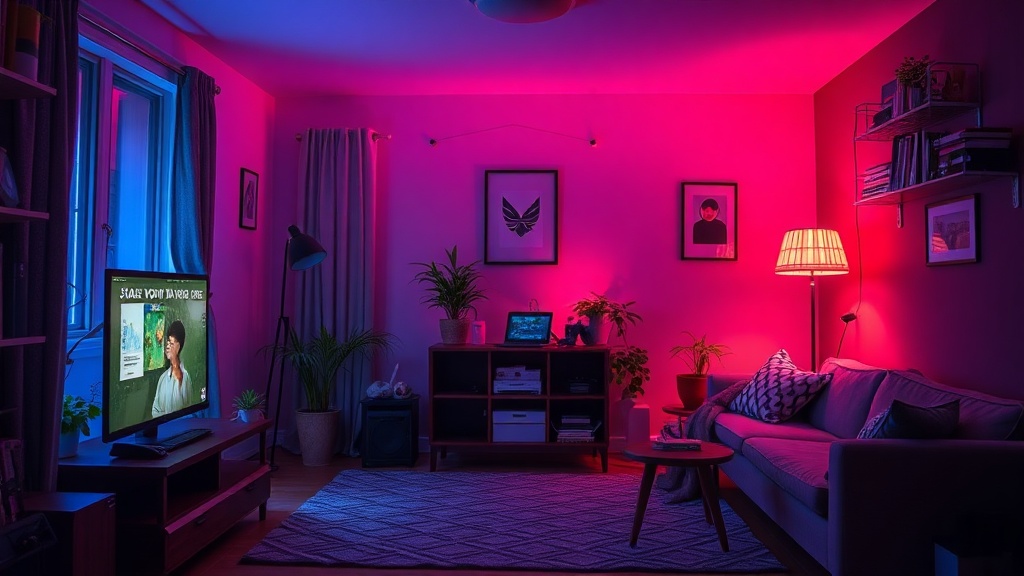
High-contrast patterns and neon colors can be jarring to a sensitive nervous system. If you find yourself feeling agitated in certain rooms, look at the walls and textiles. Opt for a palette of "low-arousal" colors—think sage greens, muted blues, or warm taupes. If you cannot paint your walls, swap out high-contrast patterned throw pillows for solid-colored ones in soft textures like linen or cotton. This reduces the amount of detail your eyes have to track as you move through a room.
Control Lighting Temperatures
Standard overhead lighting, especially the "daylight" or "cool white" bulbs often found in modern apartments, can mimic the harshness of a hospital or office environment. This high-frequency blue light can suppress melatonin and keep your brain in an alert state. Replace these with "warm white" bulbs (around 2700K). Use secondary light sources like floor lamps or table lamps to create "pools" of light rather than one large, bright source. A Himalayan salt lamp or a simple dimmable lamp can provide a much softer, more predictable light profile.
Optimize Your Auditory Environment
Even if you aren't actively listening to a sound, your brain is still monitoring it. Constant background noise—the drone of an AC unit, the hum of a computer fan, or traffic outside—can keep your amygdala on high alert. Managing your auditory environment requires both physical changes and the use of tools to mask unwanted sounds.
Introduce Sound Masking
White noise is effective, but for many, it can feel too "sharp." Consider "brown noise" or "pink noise" instead. Brown noise has a much lower frequency, sounding more like a deep rumble or a distant heavy rain, which many find more soothing for anxiety. You can find high-quality loops on apps like Calm or even via YouTube. If you prefer a physical device, a LectroFan white noise machine is highly rated because it produces non-looping, organic sounds that don't become repetitive and irritating.
Softening the Hard Surfaces
Sound bounces off hard surfaces like hardwood floors, glass windows, and bare walls, creating echoes that can be startling. To dampen the "sharpness" of sound in your home, introduce soft materials. Area rugs, heavy velvet curtains, and even canvas wall art can help absorb sound waves. If you live in a noisy apartment building in a city like Minneapolis, heavy blackout curtains serve a dual purpose: they block light and act as a sound barrier against street noise.
The "Digital Silence" Rule
Your phone is a primary source of auditory and visual disruption. The "ping" of a notification can trigger an immediate spike in cortisol. To create a low-stimulation environment, designate "phone-free zones" or "phone-free times." When you are in your relaxation space, place your phone in a drawer or another room. If you must have it near you, turn off all non-essential notifications and keep the device on "Do Not Disturb" mode. This is a crucial step in preventing digital fatigue from fueling your anxiety.
Regulate Tactile and Olfactory Input
Our sense of touch and smell are deeply connected to the limbic system, the part of the brain that processes emotions. A scratchy sweater or a strong, synthetic scent can trigger a sense of physical discomfort that manifests as psychological anxiety.
Prioritize Texture
When you are feeling overstimulated, your skin can become hypersensitive. Ensure your home environment prioritizes "soft" tactile experiences. This might mean investing in a high-quality weighted blanket, such as those from Bearaby, which provides deep pressure stimulation to help ground the nervous system. Also, pay attention to the fabrics against your skin; switching from synthetic blends to natural fibers like bamboo or organic cotton can reduce the "itch" factor that often accompanies high-anxiety states.
Scent Management
Strong, artificial fragrances—like those found in cheap scented candles or heavy air fresheners—can be overwhelming. Instead of using heavy scents, focus on subtle, natural aromas. If you enjoy aromatherapy, use an essential oil diffuser with single-note oils like lavender or cedarwood. However, be mindful of the "scent load" in your home. If you have guests over or are using different scents in different rooms, the olfactory transitions can be jarring. Stick to one or two signature, calming scents for your primary living areas.
Creating a "Reset" Corner
It is often difficult to make an entire home low-stimulation immediately. Instead, I recommend creating a single "Reset Corner" or "Sensory Sanctuary." This is a specific spot in your home—perhaps a corner of your bedroom or a specific chair in your living room—that is strictly dedicated to low-stimulation activity.
- Clear the visual field: Ensure this corner faces a neutral wall or a window with a calm view (like a tree or the sky).
- Set the light: Use only a dim, warm lamp or a single candle in this area.
- Prepare the texture: Keep a dedicated soft blanket and a pillow in this spot.
- Limit the input: This is a no-phone zone. Use this space for reading a physical book, journaling, or practicing grounding techniques.
By having a pre-prepared space, you don't have to "decide" how to calm down when you are already in the middle of an anxiety spike. The environment is already set up to support you, reducing the cognitive load required to find relief.
Practical Implementation Steps
Building a low-stimulation environment is an iterative process. You don't need to overhaul your entire home in one weekend. Start with one sense at a time. For example, this week, focus only on lighting. Buy a few warm bulbs and see how your evening anxiety levels change. Next week, focus on visual clutter.
As you make these changes, pay close attention to your body. Do you feel your shoulders drop when you enter a certain room? Does your breathing become more even when the lights are dimmed? These physical cues are your most reliable guides. If you find that certain changes aren't helping, or if they feel like "another chore" on your list, step back. The goal is to create a home that serves as a container for your healing, not another source of pressure.
Remember, your home should be a place where your nervous system feels safe to downregulate. By being intentional with your sensory environment, you are taking a proactive step in managing your anxiety and reclaiming your sense of peace.
Steps
- 1
Audit Your Visual Clutter
- 2
Adjust Your Lighting
- 3
Manage Auditory Input
- 4
Optimize Textures and Scents